LONGEVITY | CELLULAR HEALTH
NAD+: Cellular Energy, Aging & What the Science Actually Shows
Exploring the science behind NAD+, its role in cellular health, and what research tells us about longevity.
At a Glance
NAD+ is a naturally occurring coenzyme involved in energy metabolism and cellular signaling. Researchers are investigating its relationship with aging and whether interventions targeting NAD+ pathways offer clinical benefits. While some approaches raise NAD-related biomarkers, NAD+ administration has not been proven to reverse aging, extend lifespan, or reliably improve energy and physical performance. Understanding the difference between established biology and emerging evidence supports informed conversations about longevity care.
Key Takeaways
- NAD+ plays essential roles in cellular energy metabolism, signaling, and maintenance pathways.
- NAD+ metabolism may change with age in some tissues, but human evidence is complex.
- Increasing NAD+ biomarkers has not established reliable anti-aging or wellness benefits.
- Oral precursor research on NR or NMN does not prove the efficacy of injected or infused NAD+.
- Compounded NAD+ is not FDA-approved; prescription decisions and sterile pharmacy quality require careful oversight.
What Is NAD+?
NAD+ stands for nicotinamide adenine dinucleotide. It is a naturally occurring coenzyme found throughout the body. Coenzymes help enzymes carry out the chemical reactions necessary for normal cellular function. NAD+ participates in nutrient-to-energy conversion, metabolic regulation, cellular signaling, and pathways involved in responding to DNA damage. Our bodies naturally produce and recycle it. Its biological importance does not, by itself, demonstrate that administering extra NAD+ improves health.
The Connection Between NAD+ and Cellular Energy
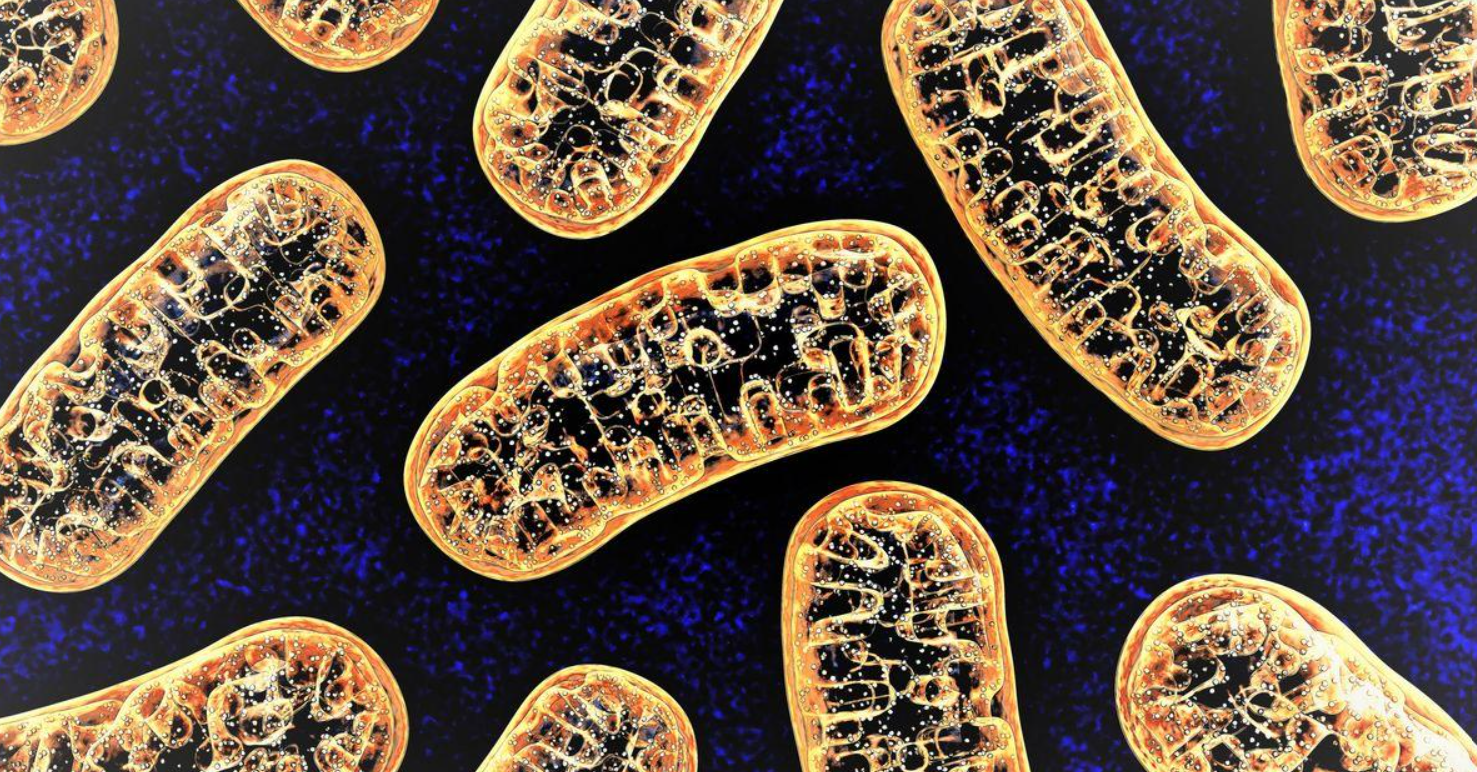
Cells rely on coordinated metabolic processes to generate ATP, a major source of usable cellular energy. NAD+ helps transfer electrons during these reactions, including processes associated with mitochondria. This has prompted interest in NAD+ for fatigue and physical performance, but clinical research has not established that administering NAD+ reliably improves subjective energy or exercise outcomes in healthy adults. Essential to energy metabolism does not mean more NAD+ always creates more noticeable energy.
Why Is NAD+ Studied in Aging Research?
Aging is associated with changes in metabolism, mitochondrial function, inflammation, and responses to cellular stress. Researchers have observed altered NAD+ metabolism in some experimental models and human tissues. NAD+ is also used by enzymes such as sirtuins and PARPs, which have roles in cellular regulation and DNA-damage responses. However, much of the encouraging work is preclinical, and a consistent age-related decline in NAD+ across all human tissues has not been established. No NAD+-boosting treatment has been proven to stop or reverse aging in humans.
Are All NAD+ Approaches the Same?
No. NAD+ itself differs from the precursors nicotinamide riboside (NR) and nicotinamide mononucleotide (NMN). Some human trials of oral NR and NMN report increased NAD-related biomarkers. Such findings should not be assumed to establish the safety or effectiveness of intravenous or injectable NAD+. When reviewing a claim, ask which compound was studied, by which route, in which participants, and with what clinical outcome.
What Does Human Research Show?
Human research on NAD+-related interventions has produced mixed or inconsistent results for metabolic, vascular, physical-performance, and wellness outcomes. Changes in blood or tissue biomarkers do not necessarily translate into a meaningful health benefit. A 2026 systematic review found no eligible human clinical outcomes trials of intravenous or intramuscular NAD+ itself for anti-aging or general wellness. Larger, well-controlled trials are needed to establish meaningful outcomes, safety, appropriate patient selection, and long-term effects.
What About Prescription NAD+?
Some clinics discuss clinician-guided injectable or intravenous NAD+ as part of broader wellness care. Patients should know that compounded NAD+ preparations are not FDA-approved for anti-aging or general wellness. Unlike FDA-approved drugs, compounded preparations are not reviewed by FDA for safety, effectiveness, and quality before marketing. FDA has warned against using food-grade NAD+ ingredients in sterile compounded preparations and reported adverse events such as severe chills, shaking, vomiting, and fatigue after injectable NAD+ administration; some cases required medical attention. Appropriate sterile compounding, ingredient sourcing, clinical assessment, and discussion of uncertainties matter. Do not infer that any specific compounded preparation is safe, effective, or legally available without current verification.
Putting NAD+ Into a Broader Longevity Plan
Longevity care is about more than one molecule. Regular movement, adequate sleep, balanced nutrition, preventive care, and management of cardiovascular and metabolic risk factors have much stronger support for long-term health than unproven anti-aging treatments. At Pinnacle Life & Longevity, we value clear education and individualized discussion with qualified healthcare professionals. NAD+ research is worth following with curiosity, caution, and realistic expectations.
Prepare for Your Visit
Questions to Ask Your Provider
- What is the clinical reason to consider NAD+ for my specific health goals?
- What human trials support the exact substance and route being discussed?
- How would we assess a meaningful clinical benefit rather than just a biomarker change?
- Which side effects, medications, and health conditions should we review?
- If an injectable compounded preparation is discussed, what sterile pharmacy and ingredient-sourcing standards apply?
- Are there more established approaches to address my concerns?
Helpful Answers
Frequently Asked Questions
Is NAD+ naturally produced by the body?
Yes. NAD+ is a naturally occurring coenzyme the body produces and recycles to support essential metabolic processes.
Does NAD+ decline as we get older?
Some studies find age-related changes in certain tissues, but a consistent whole-body decline in humans is not firmly established.
Can NAD+ improve energy levels?
NAD+ is essential for cellular energy metabolism, but clinical evidence has not shown that NAD+ injections or infusions reliably improve fatigue or perceived energy in generally healthy adults.
Is NAD+ the same as NMN or NR?
No. NR and NMN are NAD+ precursors. Findings from oral precursor trials cannot automatically be applied to administered NAD+.
Is NAD+ FDA-approved for anti-aging?
No. Compounded NAD+ is not FDA-approved for anti-aging, longevity, or general wellness. Legal compounding status and FDA drug approval are distinct questions.
Can NAD+ reverse aging?
There is no convincing clinical evidence that NAD+ administration reverses human aging or extends human lifespan.
Should everyone interested in longevity consider NAD+?
No. A clinician should consider individual goals, conditions, medications, known limitations, and whether better-supported approaches are more appropriate.
Next Step
Your Next Chapter Starts With Understanding
Explore longevity science and schedule a free informational consultation to discuss your goals. A consultation does not guarantee a prescription or any particular treatment. Elevate What Matters.
Schedule a Free ConsultationReferences
Sources
- NAD+ supplementation for anti-aging and wellness: a PRISMA-guided systematic review of preclinical and clinical evidence — Peer-reviewed research View source
- NAD+ precursor supplementation in human ageing: clinical evidence and challenges — Nature Metabolism View source
- Emerging strategies, applications and challenges of targeting NAD+ in the clinic — Nature Aging View source
- FDA reminds compounders to use ingredients suitable for sterile compounding — FDA View source
- Compounding and the FDA: Questions and Answers — FDA View source
Educational and Clinical Disclosure
This article is for education, not individualized medical advice or a recommendation to prescribe or use NAD+. NAD+-related interventions have not been established as effective anti-aging treatments. Availability, eligibility, prescribing, and monitoring are determined by licensed clinicians subject to current laws and pharmacy standards.